Abstract Circle Art Embroidery Design
A Designer’s First Look: Clean, Calm, and Confidently Minimal
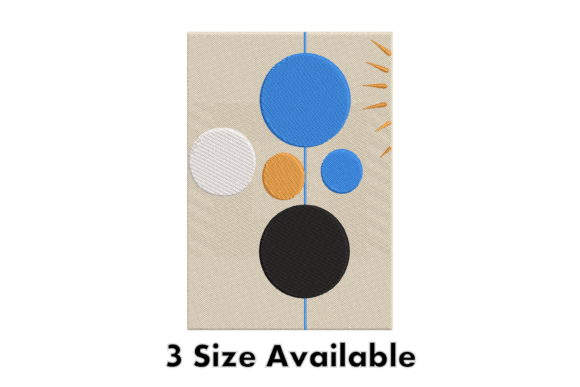
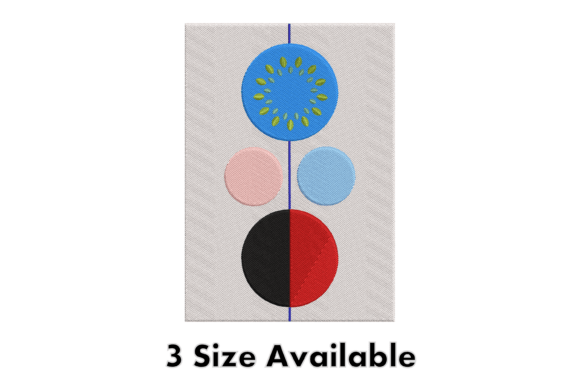
When I opened the Abstract Circle Art Embroidery Design, my first thought wasn’t “how pretty”—it was “how usable.” That’s the litmus test for any machine embroidery design I bring into my studio or recommend to fellow Etsy sellers and small shop owners. This one lands with quiet intention: layered concentric circles, subtle overlaps, and a rhythm that feels both intentional and effortless. It’s not loud or illustrative—it’s atmospheric. The mood is modern calm—think boutique apothecary branding, minimalist nursery decor, or elevated handmade apparel—not playful kids’ tees or festival merch. As a shapes-based embroidery file, it leans into form over narrative, which makes it incredibly flexible—but only if you match its temperament to the right project.
Where It Shines: Real Projects That Feel Intentional
Last week, I stitched the Abstract Circle Art Embroidery Design onto a heavyweight organic cotton tote bag for a local ceramicist’s pop-up shop. No text, no logo—just the circle motif centered on the front panel. The result? Instant sophistication. Customers paused, tilted their heads, and asked, “Is that hand-drawn?” (It wasn’t—but the clean satin and fill stitch balance made it feel considered, not automated.) I’ve also tested it on midweight French terry sweatshirts and soft linen pillow covers. On both, it held clarity without stiffness. It reads well at 3.5"–4.5" wide—ideal for chest placements on adult tees, sleeve accents on baby onesies, or center-front embroidery on tea towels. For craft business owners, this is a rare digital embroidery file that supports brand cohesion across product categories: same design, different context, same quiet authority.
Where to Pause—and Why
This isn’t a “throw-it-on-anything” design. Its strength is in restraint, so it falters where restraint doesn’t belong. Avoid it on highly textured fabrics like bouclé or thick terry cloth—the circles lose definition in the pile. Skip it on ultra-thin knits (think lightweight rayon blends) unless you’re using cutaway stabilizer and reducing stitch density manually; the fill areas can pucker or shadow through. And while it works beautifully on dark fabric with high-contrast thread (navy + cream, charcoal + oat), avoid low-contrast combos—e.g., black thread on black fabric—unless you’re adding an underlay or switching to a subtle metallic. Also, don’t force it into tiny hoop sizes (< 3") or curved surfaces like cap fronts without testing first: the outermost circle’s smooth arc can distort if hooping tension isn’t perfectly even.
What It Adds to Your Finished Product—Beyond Aesthetics
Customers notice subtlety more than we assume. When I added the Abstract Circle Art Embroidery Design to a set of personalized baby blankets, parents didn’t just say “cute”—they said “thoughtful,” “calming,” “like it belongs in a Montessori space.” That kind of emotional resonance lifts perceived value. It signals care in curation, not just execution. For Etsy sellers, that translates directly to fewer “why is this $42?” questions and more repeat buyers who trust your eye. As a personalized gift or holiday embroidery option, it avoids trend fatigue—no cartoon motifs or dated fonts to age out next season. And because it’s purely geometric, it scales cleanly across mockups: whether you’re building a printable mockup library for your shop or prepping Instagram carousel visuals, this design renders consistently in light/dark backgrounds and flat/angled views.
Practical Notes Every Embroidery Designer Should Check
- Test before committing: Stitch the Abstract Circle Art Embroidery Design on scrap fabric matching your final substrate—especially if using stretchy fabric or layered garments like reversible aprons.
- Review stitch density: Some versions of abstract circle designs pack too many fill stitches into tight rings. If yours feels dense, reduce density by 5–10% for breathable fabrics like cotton voile or baby jersey.
- Confirm hoop size compatibility: While it’s scalable, verify the largest recommended hoop size in your file metadata. Don’t assume it’s safe for 5x7 if the original was digitized for 4x4.
- Inspect small details: Zoom in on the innermost circle junctions. Are they clean? Do running stitch connectors look intentional—or like stray anchor points?
- Mock it in grayscale: View a black-and-white version on your screen. Does the hierarchy hold? If circles blur together, adjust thread color contrast before stitching.
- Stabilizer matters: Use medium-weight tear-away for stable wovens; cutaway for knits or anything that will be washed frequently (baby items, kitchen towels).
- Licensing check: Since this is marketed for custom apparel across genders and ages, confirm whether your license permits commercial use on finished goods sold to end customers—or if it’s limited to personal projects.
Final Thought: A Quiet Anchor in a Noisy Marketplace
In a sea of script monograms and over-digitized florals, the Abstract Circle Art Embroidery Design is a breath of air. It won’t shout—but it will hold attention. It won’t date quickly—but it will deepen in appeal as your brand matures. Whether you’re designing embroidered patches for a small shop product line, creating custom apparel for a wedding weekend, or building digital design assets for your craft business, this is the kind of embroidery file that earns trust quietly: through precision, balance, and respect for the material it lives on. Just remember—its power lies in placement, proportion, and purpose. Use it where calm confidence is the goal. Not every project needs volume. Sometimes, one perfect circle says enough.