Cotton Candy Embroidery Design
First Impressions: Sweet, Soft, and Instantly Cherished
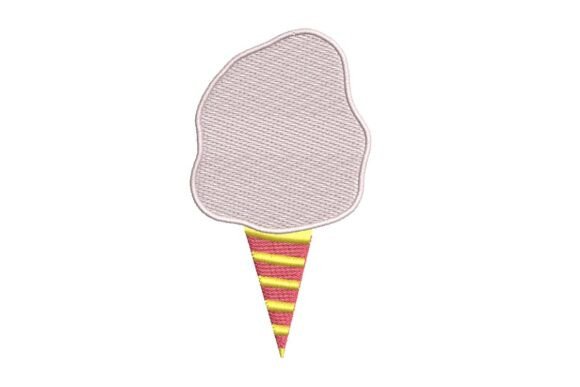
As an embroidery designer who’s tested hundreds of digital embroidery files for personalized gift shops, the Cotton Candy Embroidery Design landed with a quiet kind of magic—no loud gimmicks, just pure, nostalgic charm. Right away, it reads as sweet, playful, and handmade, not cartoonish or overly commercial. The carnival-style cotton candy has that airy, cloud-like shape you’d sketch in a dream—not rigid, not symmetrical, but full of gentle movement. The light pink textured fill stitch gives it dimension without heaviness, and the white background keeps it clean and versatile. It doesn’t scream “summer only” or “kids only.” Instead, it whispers joy, memory, and tenderness—making it unexpectedly strong for baby embroidery, wedding gifts, and even minimalist nursery decor.
Where This Design Truly Shines
This isn’t just a dessert-themed embroidery file—it’s an emotional connector. I’ve already sketched mockups for several real-world uses:
- Baby embroidery: Stitched on a muslin swaddle or organic cotton blanket, the soft pink and fluffy texture feel like a lullaby in thread—gentle enough for newborn photos, meaningful enough for milestone gifting.
- Wedding gift: Imagine it on a linen pillow cover beside monogrammed initials, or embroidered on the corner of a custom tote for the bride’s “getting ready” kit. It adds whimsy without compromising elegance.
- Personalized towel & kitchen goods: On a high-quality cotton towel or flour-sack tea towel, the design holds its shape beautifully—especially when paired with subtle border stitching or a single-line script name below.
- Nursery and keepsake items: As part of a trio (cotton candy + balloon + star), it works in coordinated wall hangings or framed embroidery hoops. Its simplicity makes it easy to scale down for onesies—or up for quilt blocks.
- Etsy seller & craft fair appeal: Customers browsing for “handmade baby shower gifts” or “unique wedding favors” respond strongly to designs that tell a story. This one does—without words.
Smart Placement Matters: Know When to Pause
Not every surface is ideal—and that’s where experience saves time (and thread). The Cotton Candy Embroidery Design performs best on stable, medium-weight fabrics with smooth surfaces. Here’s where to proceed thoughtfully:
- Stretchy baby clothes: Avoid tight-knit onesies or ribbed fabric unless you use cutaway stabilizer *and* test first. The fluffy fill can distort if the base fabric shifts mid-stitch.
- Thick or textured towels: Terry cloth absorbs detail. Opt for lighter-weight flour-sack or waffle-weave towels instead—or increase stabilizer layers and reduce stitch density slightly.
- Dark fabric: Light pink thread may mute on navy or charcoal. Always run a printable mockup or physical test using your intended thread colors before committing to a batch.
- Curved surfaces (like mugs or curved tote handles): This is a flat-embroidery design—best suited for panels, pockets, or flat zones. Skip wrapping it around seams or corners.
- Frequent-wash items: While the stitch structure looks delicate, its fill is dense enough for gentle machine washing—if you use quality polyester thread and secure back-tacking. Still, recommend hand-wash for heirloom blankets.
Why Customers Trust What They Can Feel
In my shop, customers don’t just buy embroidery—they buy reassurance. That soft pink cloud says, “This was chosen with care.” It elevates a plain kitchen towel into a personalized gift. It turns a generic baby blanket into something tender and memorable. Because the Cotton Candy Embroidery Design avoids over-detail (no tiny stems, no micro-lettering), it photographs beautifully—even on mobile screens—which directly boosts Etsy visibility and buyer confidence. And because it’s rooted in universal nostalgia (carnivals, childhood, sweetness), it bridges age groups: grandparents order it for new babies; bridesmaids gift it to the couple; small shop owners bundle it with matching stickers and tags for cohesive product lines.
Practical Embroidery Notes You’ll Want Before Stitching
Before sending this design to your machine—or listing it in your shop—here’s what I always verify:
- Test on scrap fabric that matches your final product’s weight and weave—not just muslin.
- Confirm thread color contrast by stitching two versions: one on white, one on off-white or light gray. Does the light pink pop? Or fade?
- Check hoop size compatibility. If your machine requires re-hooping for larger items (like pillow covers), ensure the design fits within your standard hoop—or confirm whether it’s split across multiple hooping positions.
- Review stitch density. Fluffy textures can tempt designers to over-fill—but too many stitches cause puckering on lightweight fabric. Look for balanced coverage, not maximum density.
- Use proper stabilizer. Tear-away works for towels and cotton; cutaway is safer for knits and heirloom pieces.
- Compare light and dark fabric mockups side-by-side—not just digitally, but stitched. Lighting changes everything.
- Inspect small details post-stitch. Does the edge of the cotton candy hold its cloud-like softness—or look jagged? Adjust tension or needle size if needed.
- Confirm commercial licensing. Since this is a digital embroidery file, double-check usage rights before selling finished products—especially for wholesale or Etsy resale.
A Design That Grows With Your Business
The Cotton Candy Embroidery Design is more than a dessert-themed motif—it’s a flexible, emotionally resonant tool for makers who value authenticity over trends. Whether you’re curating a baby product line, launching wedding keepsakes, or refreshing your Etsy embroidery collection, it invites personalization without demanding complexity. It pairs effortlessly with handwritten names, delicate borders, or even minimalist sans-serif fonts. And because it feels handmade—not mass-produced—it quietly reinforces your brand’s warmth and attention to detail. In a market flooded with fast digital files, this one earns its place by being both simple and soulful. Just remember: let the fabric guide you, test like you mean it, and trust the sweetness.